
Puerto Viejo’s Afro-Caribbean history
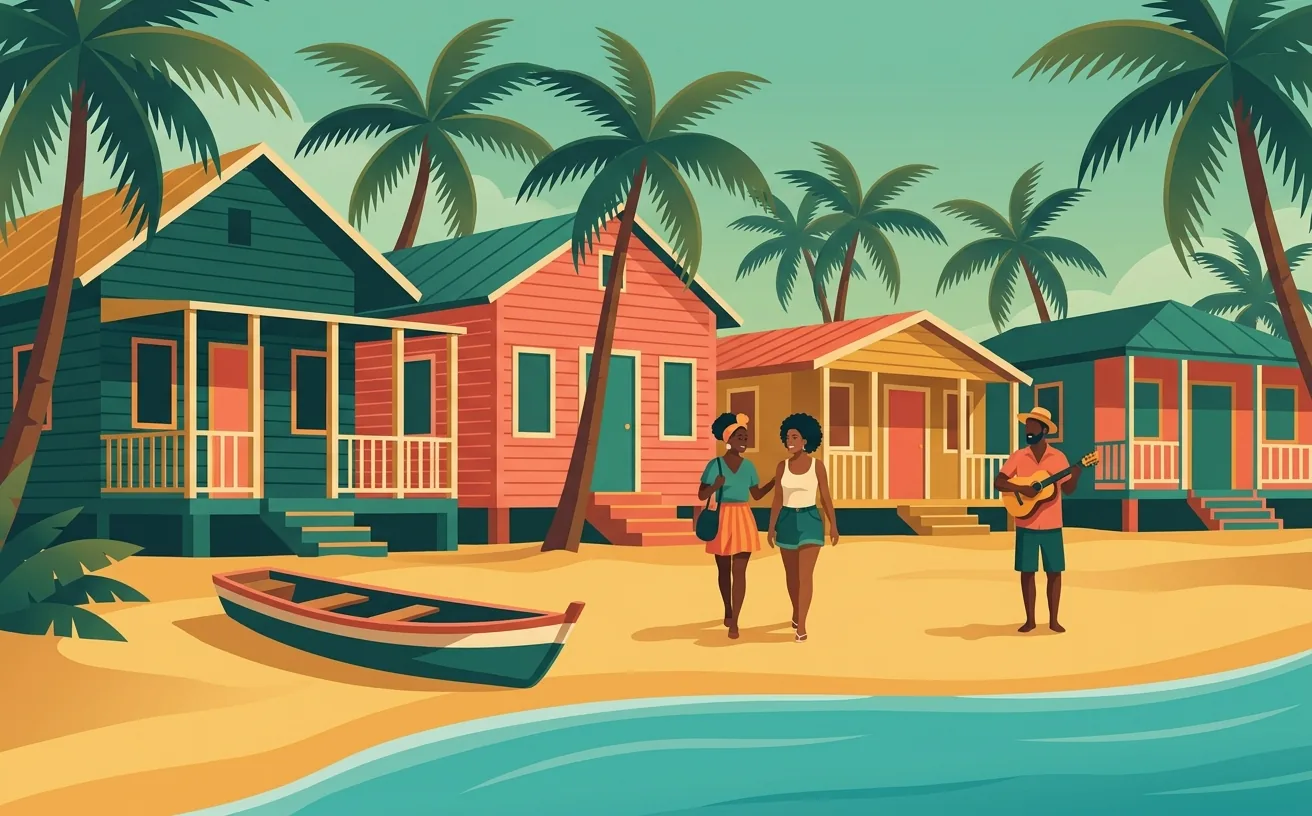
Puerto Viejo is much more than a beach destination. Its identity is deeply connected to Afro-Caribbean communities that have built their lives in the region over generations. Learning this history means looking beyond a tourist image and recognising the people who have shaped Costa Rica’s Caribbean.
 beach destination. Its identity is deeply connected to Afro-Caribbean communities that have built their lives in the region over generations. Learning this history means looking beyond a tourist image and recognising the people who have shaped Costa Rica’s Caribbean.
🚂 Migration and communities
From the nineteenth century, migration from Jamaica and other Caribbean islands helped transform Limón. Railway work and, later, the banana industry form part of this regional context. Families also built networks of education, faith, trade and community support: their contribution was never limited to physical labour.
University of Costa Rica research preserves testimony from descendants of migrant families and explains how historical silence can fuel stereotypes and racism. Telling this history is therefore not just about celebrating music and food: it also means listening to memories, recognising inequality and making space for Afro-descendant voices.
 music and
 food: it also means listening to memories, recognising inequality and making space for Afro-descendant voices.
🎶 A heritage that lives on
Coconut-based cooking, calypso, oral traditions and ties with the English-speaking Caribbean are part of a living culture, not an exhibition for visitors. Puerto Viejo also shares the region with Indigenous peoples, including the Bribri and Cabécar. These are distinct histories that deserve recognition in their own right.
Sources and further information: Universidad de Costa Rica · Visit Costa Rica
Plan your Milongo stay
Explore our apartments in Cocles or contact Lazer to ask about availability and plan your stay.